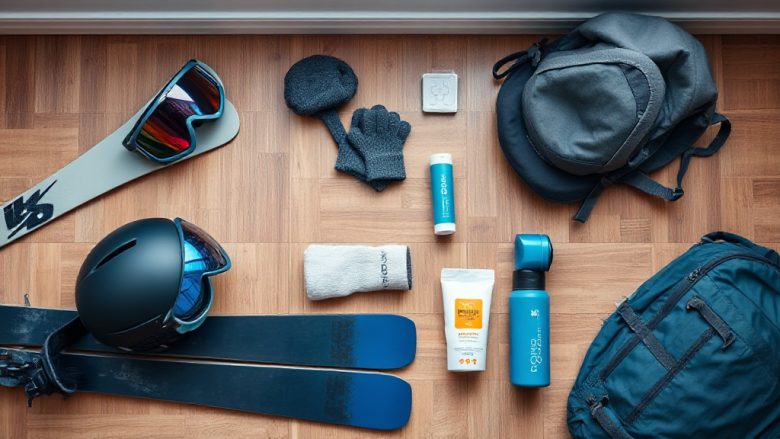
The right kit is the difference between a brilliant day on the slopes and a miserable one spent shivering in a hire shop queue. Cold hands, fogged goggles or a soaked base layer can end a session early, and in the mountains, poor gear is more than an inconvenience — it’s a safety issue. That’s why I keep a running essential winter sports gear checklist on my phone, ticked off before every trip, whether it’s a weekend of skiing, a day of snowboarding or a bracing morning of cross-country. This checklist covers clothing, safety equipment and the small accessories that are easy to forget until you desperately need them. Work through it category by category and you’ll arrive at the resort prepared rather than panicked.
Clothing and Layering: The Foundation of Your Winter Sports Gear Checklist
Winter sports clothing works as a system, not a single jacket. Get the layers right and you can adapt to a sunny afternoon or a sudden whiteout without carrying half your wardrobe. The classic three-layer approach — base, mid and shell — is the backbone of any essential winter sports gear checklist, and it’s worth understanding why each layer exists before you pack.
Base Layers
Your base layer sits against your skin and its job is to move sweat away from your body. Cotton is the enemy here; it soaks up moisture and then chills you the moment you stop moving. Look for merino wool or synthetic fabrics, and pack two sets for a multi-day trip so you always have a dry one. Long sleeves and long legs are standard for skiing and snowboarding, though some riders prefer a short-sleeve top under a shell on warmer spring days. Fit should be snug but not restrictive — think second skin, not compression garment.
Mid Layers
This is your insulation. A fleece, a thin down jacket or a synthetic insulated mid layer traps warm air and can be added or removed as conditions change. If you run cold, bring two mid layers; if you overheat easily, one is plenty. Packable down is brilliant for its warmth-to-weight ratio, but synthetic insulation keeps working even when damp, which matters if you’re likely to sweat hard or fall in snow.
Outer Shell
Your jacket and trousers form the waterproof, windproof barrier. Look for taped seams and a decent waterproof rating — you don’t need the most expensive shell on the rack, but you do need something that will keep wet snow out during a full day. Pit zips are a small feature that makes a big difference when you’re working hard on a mogul run. Ski trousers should have reinforced ankles to survive contact with boot edges, and bibs are worth considering if you hate the feeling of snow creeping up your back.
Gloves and Mittens
Cold hands ruin everything. Bring two pairs: a warm insulated pair for the slopes and a thinner liner pair for walking around the resort or fiddling with bindings. Mittens are warmer than gloves because your fingers share heat, though they’re clumsier for adjusting buckles. Waterproofing matters as much as insulation — wet gloves freeze fast.
Socks
One pair of thin-to-medium merino or synthetic ski socks per day. Resist the urge to wear thick socks; they bunch up, reduce circulation and actually make your feet colder. Never wear two pairs at once. If your boots fit properly, a single technical sock is all you need.
Safety Equipment and Accessories: What You Can’t Afford to Forget
Clothing keeps you comfortable, but safety gear keeps you out of trouble. This half of the checklist is non-negotiable, especially if you’re heading off-piste, into the backcountry or anywhere without immediate lift access to warmth.
Helmet
A helmet is the single most important item on this list. Modern helmets are light, well ventilated and warm enough that many riders never bother with a hat underneath. Check the fit — it should sit level on your head, not tipped back, and the chin strap should be snug enough that the helmet doesn’t shift when you shake your head. If you’re hiring, inspect the shell for cracks before you take it out.
Goggles and Sunglasses
Goggles protect your eyes from wind, snow and UV glare, which is far more intense at altitude than most people expect. Choose a lens suited to the conditions: a darker tint for bluebird days, a lighter or rose-tinted lens for flat light and snowfall. Many modern goggles come with interchangeable lenses, which is genuinely useful if you’re riding for several days. Bring sunglasses too, for lunch stops and walking around town. Anti-fog treatment and a microfibre cloth are small additions that save a lot of frustration.
Sun Protection
Snow reflects up to 80 percent of UV rays, so you can burn on a cloudy day. High-factor sunscreen for exposed skin, a lip balm with SPF and a neck gaiter or buff will protect you on long lift rides and glacier days. This is one of the most commonly forgotten items on any winter sports gear checklist, and one of the most uncomfortable to do without.
Hydration and Snacks
Cold air and altitude dehydrate you faster than you’d think. A small insulated bottle or hydration bladder with an insulated tube prevents your water from freezing solid by mid-morning. Pack high-energy snacks — nuts, chocolate, energy bars — in an inside pocket where they stay warm enough to eat.
Navigation and Communication
If you’re venturing anywhere beyond marked runs, carry a charged phone in a warm inside pocket (cold drains batteries fast), a paper map of the area, and a whistle. For true backcountry travel, add a transceiver, probe and shovel, and know how to use them — carrying avalanche gear without training is false confidence. For most resort skiers, the phone and a printed piste map are sufficient.
First Aid and Repair
A compact first aid kit with blister plasters, painkillers, and a small roll of tape covers most minor issues. A multi-tool and a spare goggle strap or screwdriver for binding adjustments can rescue a day that would otherwise end early. If you wear glasses, pack a spare pair or contact lenses.
The Small Stuff People Forget
These are the items that don’t fit neatly into a category but cause disproportionate misery when missing. A neck gaiter doubles as a face mask on cold lifts and a headband if you overheat. Hand warmers are cheap insurance for anyone with poor circulation. A small dry bag keeps your phone and wallet safe if you fall in wet snow. And a lightweight backpack lets you shed layers as the day warms up without leaving gear in a lodge locker.
Once you’ve worked through this essential winter sports gear checklist, do a final run-through the night before you travel. Lay everything out, check zips and straps, and make sure your boots are dry and your goggles are clean. A little preparation at home means more time enjoying the snow and less time improvising in a car park. Winter sports are expensive enough without replacing forgotten gloves at resort prices — and far more enjoyable when your fingers are warm, your eyes are clear and your only concern is the next run.