A ski holiday can feel like a luxury you’re not sure your family can justify. Lift passes, lessons, rentals, flights, and a mountain hotel can add up to a number that makes you close the laptop and forget the whole idea. But affordable family ski trips do exist, and they rarely come from a single clever trick. They come from a stack of small decisions made in the right order, starting months before you pack a bag.
These cheap ski holiday tips for families follow the planning timeline: booking early, choosing the right resort, saving on accommodation, renting gear sensibly, and cutting costs once you’re actually on the mountain. Work through them as a checklist and you can usually shave hundreds off the total without turning the trip into a miserable exercise in self-denial.
Plan And Book Early To Cut The Biggest Costs
The single most effective thing you can do is start planning in late summer or early autumn. Family-friendly ski accommodation sells out first, and the good-value options disappear before the peak-season rush. If you leave it until a few weeks before half-term, you’re competing for the leftovers at the worst prices of the year.
Timing your trip matters as much as booking early. School holiday weeks are the most expensive days on the mountain calendar, so if you have any flexibility at all, use it. The week before Christmas, the first week of January, and the final weeks of the season are noticeably cheaper. Late March often brings longer, sunnier days and softer prices, and many resorts stay fully open well into April. If your children are too young for school, avoid weekends and holidays entirely and travel midweek.
When you compare resorts, don’t just look at the headline lift pass price. Look at the whole package: transfer time from the airport, whether the resort is genuinely walkable, and whether beginners have free or cheap nursery slopes. A resort that’s slightly further from the airport can save you a fortune on transfers while still delivering the same snow. Smaller, lower-profile resorts in the same mountain range often cost a third less than their famous neighbours and are far calmer for children.
Book lift passes online before you travel. Many resorts offer early-bird pricing, family passes, or free passes for very young children. Some throw in a free day when you buy a six-day pass in advance. These discounts almost never appear at the ticket window, so buy ahead and print or download your passes before you fly.
Consider a package that bundles flights, transfers, and accommodation, but only after you’ve priced the parts separately. Sometimes the bundle wins, sometimes it doesn’t. Check both, and factor in baggage fees for ski equipment if you’re flying. On short-haul routes, a budget airline plus a shared shuttle can beat a traditional package, especially if you’re willing to fly midweek.
Save On Accommodation, Gear And Lessons
Accommodation is where families either save big or overspend without noticing. Self-catering apartments almost always beat hotels for a family of four. You get a kitchen, which means breakfast and dinner don’t come with a restaurant markup, and you get space for the children to decompress after a day on the slopes. A hotel might look cheaper per night, but once you add meals for four people, the apartment wins comfortably.
Look at towns and villages a short drive or bus ride from the lifts rather than slopeside addresses. The further you are from the lift station, the lower the price, and many resorts run free or cheap shuttle buses. Just check the timetable before you book, because a shuttle that stops running at 5pm is no use if you want to ski until close.
Sharing a larger chalet or apartment with another family is another classic money-saver. Splitting a four-bedroom place between two families usually costs less per person than two separate smaller units, and the children get company. Agree the cooking and cleaning rota before you go so nobody feels put upon.
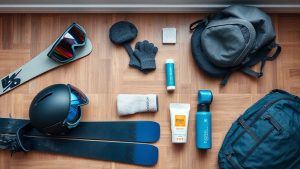
Gear is the next big line item, and it’s where a lot of families waste money. Children grow out of ski clothing and boots every season or two, so buying new for each trip is rarely sensible. Rent skis, boots, and helmets at the resort or from a shop near home, and book rentals online in advance for a discount. Many rental shops offer a family rate or let children swap equipment midweek if they progress quickly.
For clothing, borrow from friends with older children, buy second-hand from ski swaps, and layer what you already own. Thermals, fleeces, and waterproof trousers do most of the work. The one thing worth buying new is a well-fitting helmet, because a borrowed helmet that doesn’t fit properly is a false economy.
Lessons are essential for beginners, but you don’t need private tuition for the whole family. Group lessons for children are cheaper, and children often learn faster alongside their peers. Book lessons as part of a package with rentals if the resort offers it, and check whether the ski school runs a free taster session on the first afternoon. If you’re a confident skier, you can teach your own children the basics on the nursery slope and save the lesson budget for when they’re ready to progress.
Food on the mountain is where budgets quietly fall apart. A round of hot chocolates and chips for four people at a slopeside restaurant can cost more than dinner in the village. Pack sandwiches, fruit, and a flask of hot drink in a small backpack, and eat lunch on a bench with a view. Treat the children to one mountain restaurant meal during the week rather than every day, and you’ll still come home with money in the account.
On-Mountain Savings And A Realistic Family Budget
Once you’re on the slopes, the goal is to spend on the things that make the trip memorable and cut the things nobody will remember. Lift passes are already paid for, so use them fully. Skiing a full day is better value than a half day, and many resorts offer cheaper afternoon-only passes if your children tire quickly.
Look for free activities to balance the expensive ones. Sledging, snowshoe walks, ice skating, and swimming in a local pool often cost very little and give children a break from skiing. Many resorts have free beginner lifts or magic carpets, which is perfect for a first-timer’s afternoon. Check what’s included with your lift pass, because some cover local buses, swimming pools, or a day at a neighbouring resort.
Set a daily spending limit and stick to it. Give older children a small allowance for snacks and souvenirs so they learn to budget themselves. Withdraw cash in the village rather than at the airport, and avoid the mountain-top ATM if one exists, because the exchange rate and fees are usually worse.
Insurance is not the place to save. Family ski insurance that covers off-piste, equipment, and medical repatriation costs far less than a single helicopter rescue, and it’s the one cost you should never skip. Read the policy to confirm it covers the activities you actually plan to do, including sledging and tobogganing.
Finally, build a simple budget before you book and update it as you go. Add up travel, accommodation, lift passes, rentals, lessons, insurance, and a daily food and activity allowance. Compare that total against two or three resort options rather than chasing the cheapest headline price. A resort that’s slightly more expensive to reach but has cheaper passes, a free bus, and a self-catering apartment may well be the better deal overall.
None of these cheap ski holiday tips for families requires sacrifice that ruins the trip. They require planning, a willingness to book early, and a bit of discipline about the small daily costs that add up fastest. Do that, and a family ski holiday stops being a once-in-a-childhood event and becomes something you can realistically do again next winter.