The Questions Parque São Lucas Residents Ask Most About Unclogging
These are the questions neighbors in Parque São Lucas keep bringing up whenever a drain backs up, a toilet refuses to flush, or a smell creeps out of the floor drain. The answers below come from the local search results and from what residents actually ask when they call for help, starting with the most common one. If you need a fast local response, a desentupidora Parque São Lucas São Paulo SP can assess the blockage and clear it with professional equipment instead of a store-bought plunger.
What does a desentupidora in Parque São Lucas actually do?
A desentupidora is a drainage and sewage specialist, not a general plumber. The team clears blockages in sinks, toilets, floor drains, laundry lines and the main sewage pipe that connects a building to the street network. In Parque São Lucas, that often means older residential buildings where grease, soap residue and tree roots have narrowed the pipes over time.
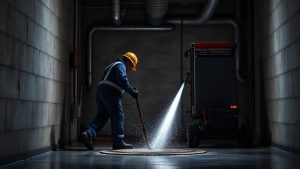
The work usually starts with a camera inspection or a visual check to find where the obstruction sits. From there, the technician chooses between a manual snake, an electric auger, or high-pressure hydrojetting. The goal is to remove the cause, not just poke a hole through it, so the same drain does not back up again two weeks later.
Many calls also involve a blocked sewage pipe that affects several apartments at once. In that case, the technician needs to access the building’s main cleanout and may coordinate with the building manager. A desentupidora Parque São Lucas that works with condominiums will know where those access points usually sit.
How much does unclogging cost in Parque São Lucas?
Residents ask about price before anything else, and the honest answer is that it depends on three factors: the type of drain, how deep the blockage is, and whether the technician needs special equipment. A simple kitchen sink or bathroom drain is usually the least expensive job. A main sewage line, a septic tank issue, or a blockage that requires hydrojetting costs more because it takes longer and uses heavier machinery.
Emergency calls at night, on weekends or on holidays typically carry a higher rate than a scheduled weekday visit. That is not a trick; it reflects the cost of sending a team outside normal hours. Ask for the call-out fee, the estimated labor, and whether any equipment surcharge applies before work begins.
What changes the final price
- Whether the blockage is in a small branch line or the main sewage pipe.
- Whether the technician needs a camera inspection to locate the problem.
- Whether hydrojetting is required instead of a simple snake.
- Whether the job happens during business hours or as an emergency.
- Whether the property is a house, an apartment, or a commercial kitchen.
A written estimate before the work starts is the best protection against surprises. A reliable company will explain what it found and why the chosen method costs what it costs.
Can a blocked drain be fixed without breaking the floor?
In most cases, yes. Modern unclogging equipment is designed to work through existing access points: floor drains, cleanouts, toilet flanges and inspection boxes. The technician feeds a cable or a high-pressure hose into the pipe and clears the obstruction from the inside. Breaking the floor is a last resort, usually needed only when a pipe has collapsed or when there is no accessible cleanout.
That is why the first step matters so much. If the technician can locate the blockage with a camera, they can often avoid unnecessary demolition. Residents who have been told they need to break tiles should ask whether a camera inspection was done and whether hydrojetting was considered first.
Older houses in Parque São Lucas sometimes have informal additions where drains were connected without proper cleanouts. In those cases, the technician may need to open a small access point, but it is still usually far less invasive than replacing the whole line.
Why does the drain keep clogging again after being cleared?
A drain that backs up repeatedly is telling you the obstruction was never fully removed. Grease, hair and soap scum can coat the inside of a pipe and narrow it over months. Snaking a hole through the middle lets water pass for a while, but the coating remains and catches debris again quickly.
Hydrojetting is the usual fix for this pattern. It uses high-pressure water to scour the pipe walls, removing the buildup rather than punching through it. For kitchen lines, that means degreasing the pipe. For bathroom lines, it means clearing hair and residue that a cable cannot pull out.
Tree roots are another common cause in older neighborhoods. Roots enter through tiny cracks and grow inside the pipe. Clearing them with a cutter head buys time, but the long-term solution may involve pipe repair. A technician should tell you honestly whether the pipe is structurally damaged or just dirty.
What should residents do while waiting for the team to arrive?
First, stop using water in the affected area. Every flush or running tap adds pressure and can cause a backup into the shower or floor drain. If sewage is already rising, turn off the water supply to the fixtures if you can reach the valve safely.
Second, do not pour chemical drain cleaners into a fully blocked line. They sit in the pipe, can damage older fittings, and create a hazardous splash risk for the technician who opens the cleanout later. Store-bought products are fine for slow drains, not for standing water.
Third, clear the area around the access point. The team needs room to work, and moving furniture or mats beforehand saves time. If the blockage is in a condominium, let the building manager know so neighbors can avoid using water in shared lines.
Finally, keep a bucket and old towels handy. A small amount of water often escapes when the cleanout is opened, and containing it early prevents damage to floors and walls.
Is 24-hour emergency service really available in Parque São Lucas?
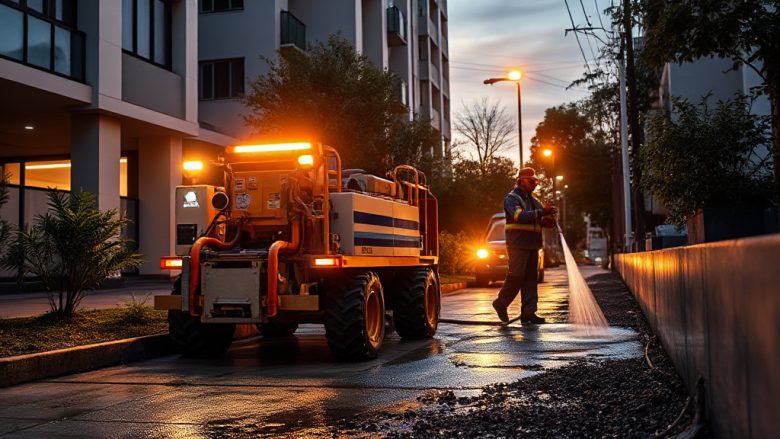
Yes, emergency drainage services operate around the clock in São Paulo, and Parque São Lucas is covered by companies that specialize in urgent calls. The difference between a true 24-hour service and a company that simply lists a phone number is response time and staffing. A genuine emergency provider has a team on call at night and on weekends, not just an answering machine.
When you call, describe the problem clearly: which fixture is backing up, whether sewage is coming up, and whether the whole building or just one sink is affected. That helps the dispatcher send the right equipment. A desentupidora em Parque São Lucas São Paulo SP that handles emergencies will ask these questions before arriving.
If the backup involves sewage entering a living space, treat it as a health issue. Keep children and pets away, wear gloves if you must touch anything, and let the professionals handle the cleanup and disinfection.
Frequently Asked Questions
How long does a typical unclogging job take?
Most simple drain blockages are cleared in under an hour once the technician arrives. Main sewage lines, hydrojetting jobs and septic tank issues can take several hours. The estimate should include both the diagnosis and the clearing work.
Do I need to be home during the service?
Yes, unless the access point is in a common area managed by the building. Someone responsible should be present to show the technician the problem, confirm the estimate, and check the result before the team leaves.
Can unclogging damage old pipes?
When done correctly, no. The technician adjusts the equipment to the pipe material and condition. Very old or already cracked pipes can be fragile, which is why a camera inspection and a careful method choice matter in older Parque São Lucas buildings.
What is the difference between snaking and hydrojetting?
Snaking uses a rotating cable to break through or pull out a blockage. Hydrojetting uses high-pressure water to clean the entire pipe wall. Snaking is faster for a single stubborn clog; hydrojetting is better for grease, roots and recurring backups.